Adding operatories is one of the most expensive decisions a dentist can make. When it’s done right, it creates capacity, reduces stress, and unlocks growth. When it’s done wrong, it tightens cash flow, disrupts the team, and creates pressure that didn’t exist before.
Dr. Blake Hamblin breaks down how to think about operatory expansion with intention. This is not about building bigger or buying the newest equipment. It’s about protecting flow, uptime, and flexibility so growth actually feels like growth.
Step 1: Confirm You Actually Need More Operatories
Before adding a single operatory, the first question is simple. Is the practice truly constrained by physical capacity?
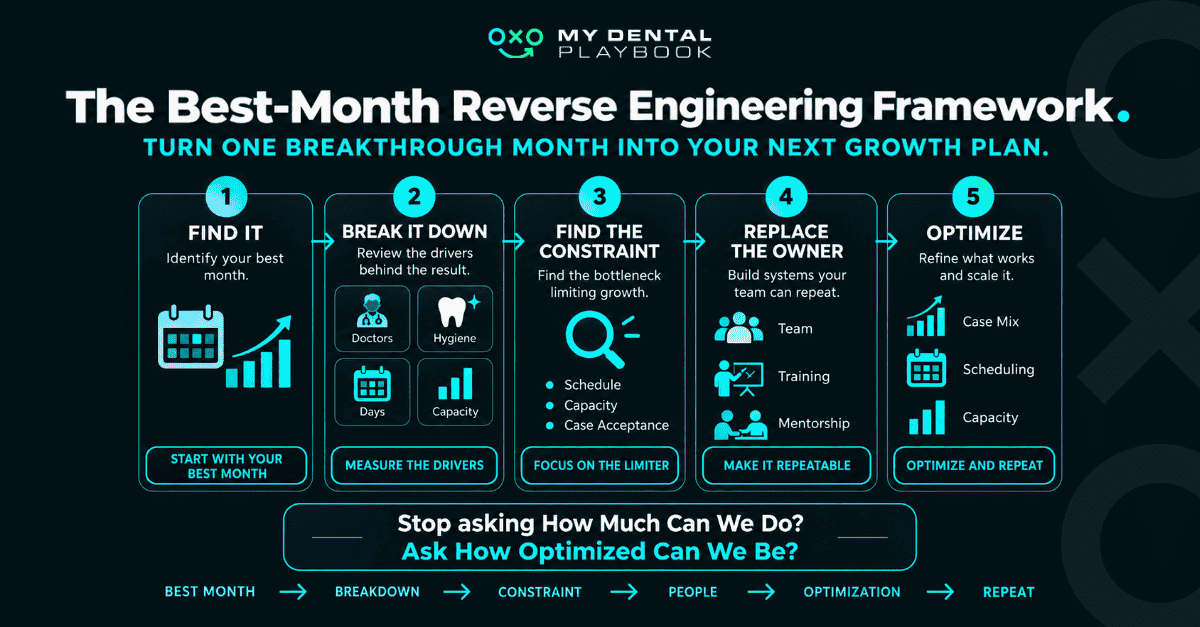
Many dentists feel busy, but the bottleneck is often scheduling, hygiene utilization, or team efficiency. If chairs are not consistently full or appointments are poorly spaced, adding rooms will not solve the problem.
True expansion readiness shows up as:
- Consistently full schedules
- Patients being pushed weeks out
- Hygiene and doctor time maxed out
- Missed opportunities due to lack of chair availability
If demand is not real and consistent, expansion adds cost without leverage.
Step 2: Protect Uptime Before Anything Else
Not all equipment matters equally.
Dr. Blake prioritizes systems that, if they fail, shut the practice down entirely. Air, vacuum, and core infrastructure protect uptime. If one of these goes down, production stops.
Chairs, delivery units, and non-critical equipment allow flexibility. If a chair goes down, patients can often be moved. If air goes down, the day is over.
Smart expansion protects uptime first because downtime erases ROI faster than any other variable.
Step 3: Save Where Flexibility Exists
Overbuilding too early is one of the most common expansion mistakes.
Buying top-tier chairs and equipment before they are needed ties up cash that could be used for marketing, hiring, or leadership development. Flexibility matters more than features in early growth stages.
Practices that scale well delay permanent decisions until volume and systems justify them.
Step 4: Design for Flow, Not Aesthetics
Beautiful operatories do not guarantee efficiency.
Expansion should make movement easier for the team, not slower. Layout decisions should reduce steps, simplify handoffs, and support patient flow from check-in to checkout.
A design that looks impressive but slows the team creates friction every single day.
Step 5: Account for Hidden Expansion Costs
Expansion costs extend far beyond construction invoices.
Dentists often underestimate:
- Lost production during build-out
- Team stress and disruption
- Delayed momentum
- Cash locked into walls instead of growth systems
Smart expansion preserves optionality. Once cash is committed, flexibility disappears.
Final Thought
The goal of expansion is not simply a bigger office. It’s the creation of a calmer, more profitable practice that can scale intentionally and sustainably.
Before you add operatories or take on significant debt, slow down and make sure your proposed growth strategy is solving the right problem, not just creating a bigger version of your current challenges.